Speculative Proposals is an exploratory pedagogical resource developed to integrate speculative design into higher education, encouraging design students to question established assumptions, challenge conventional perspectives, and explore alternative future scenarios.
The project investigates how structured creative resources can support critical thinking, imagination, and the exploration of possible social, cultural, and technological transformations.
Approach
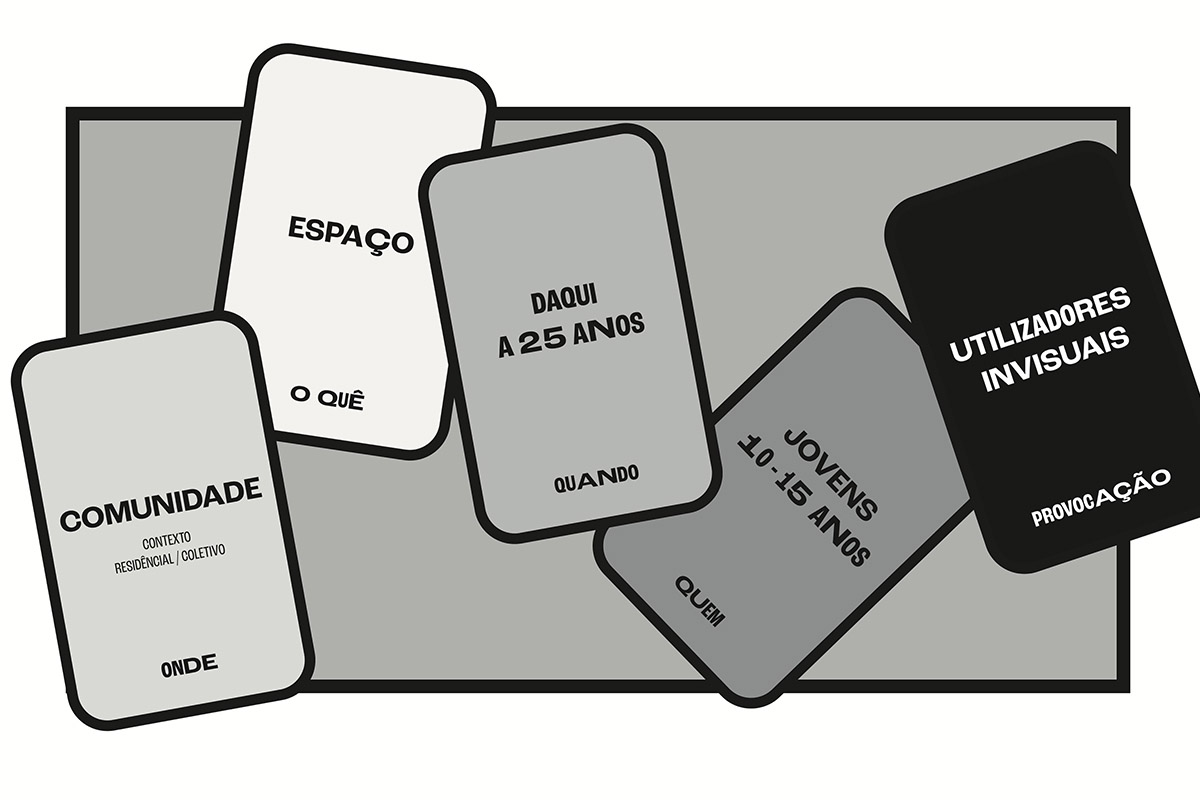
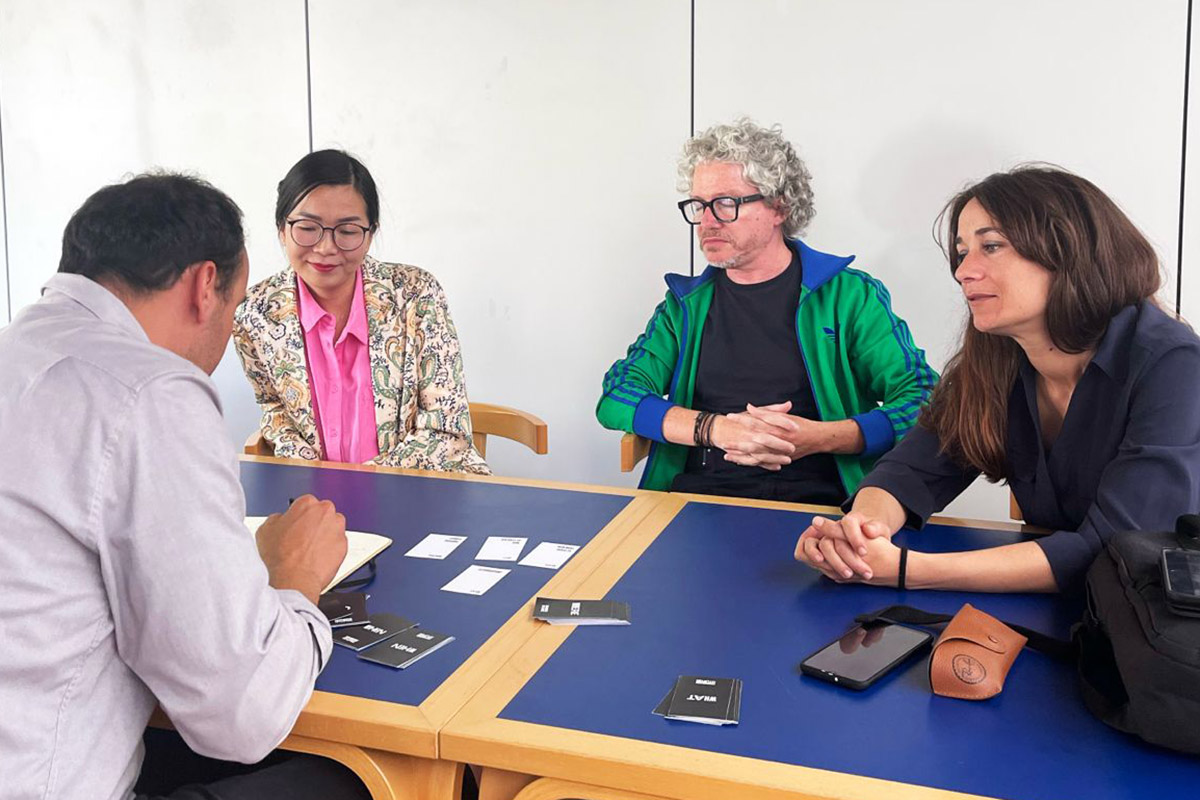
Initially developed and applied in 2023 at the Faculty of Architecture of the University of Lisbon, Speculative Proposals introduces a card-based system originally organised around four dimensions: Who, What, Where, and When.
Through the combination of different actors, situations, contexts, and time horizons, participants are encouraged to construct hypothetical scenarios, critically examine their implications, and translate them into speculative design proposals.
In subsequent iterations, a fifth category, Provocation, was introduced to incorporate additional disruptive conditions and constraints. These provocations are intended to challenge established assumptions, introduce tensions into the scenarios, and stimulate the exploration of less conventional possibilities.
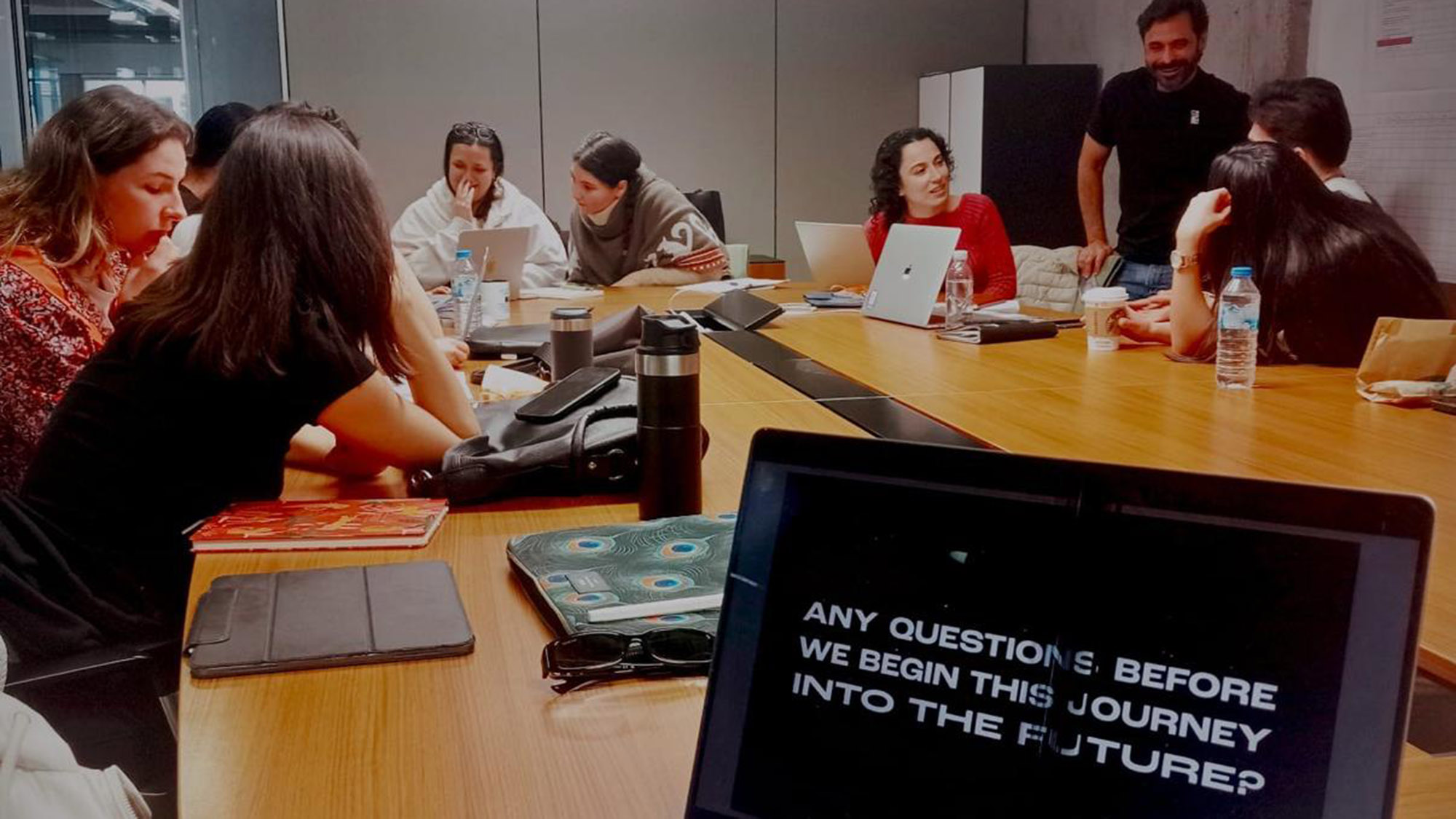
The resource has subsequently been adapted to different thematic areas and educational contexts, incorporating new provocations and constraints according to specific pedagogical objectives.
Results
Since its initial application, Speculative Proposals has undergone successive iterations informed by its implementation in different university contexts and thematic areas.
These experiences have contributed to the ongoing refinement of the resource, expanding its possibilities for creative exploration and providing a basis for investigating the pedagogical potential of speculative design.
Speculative Proposals is positioned as an introductory pedagogical resource for speculative design, providing students with a structured starting point to explore alternative futures, question established assumptions, and critically reflect on their possible implications.